
Young People Growing Up in Forced Migration
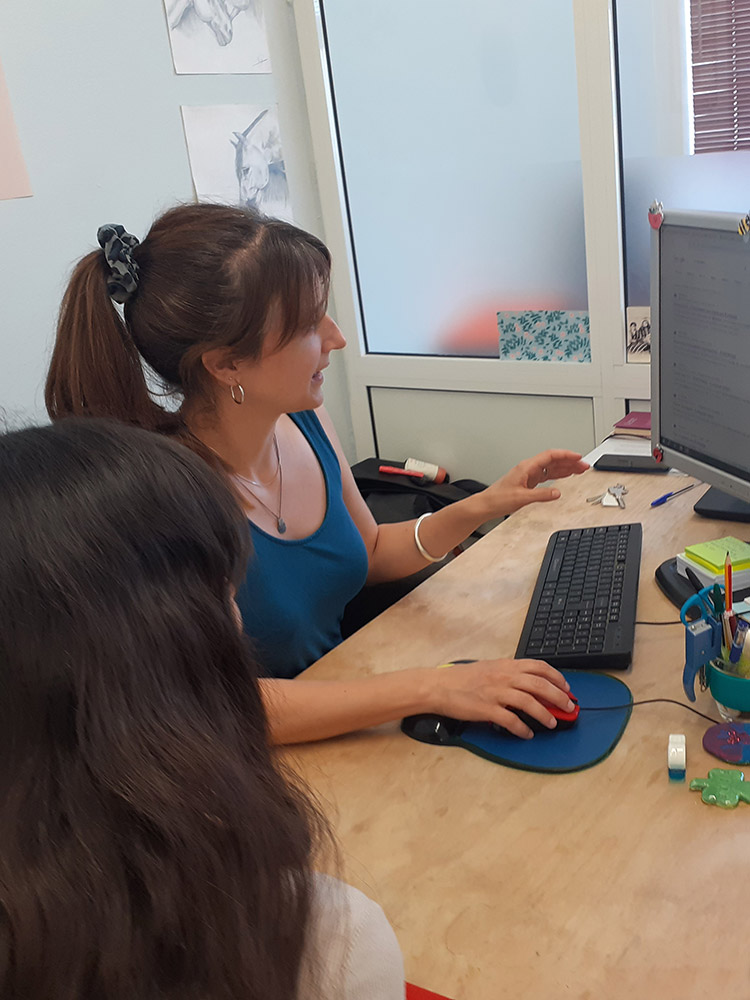
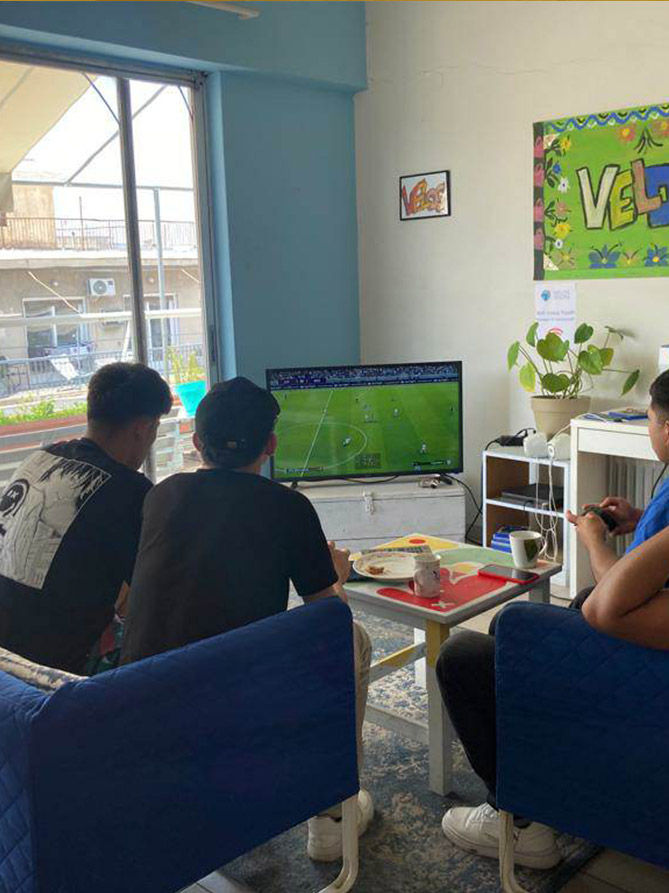
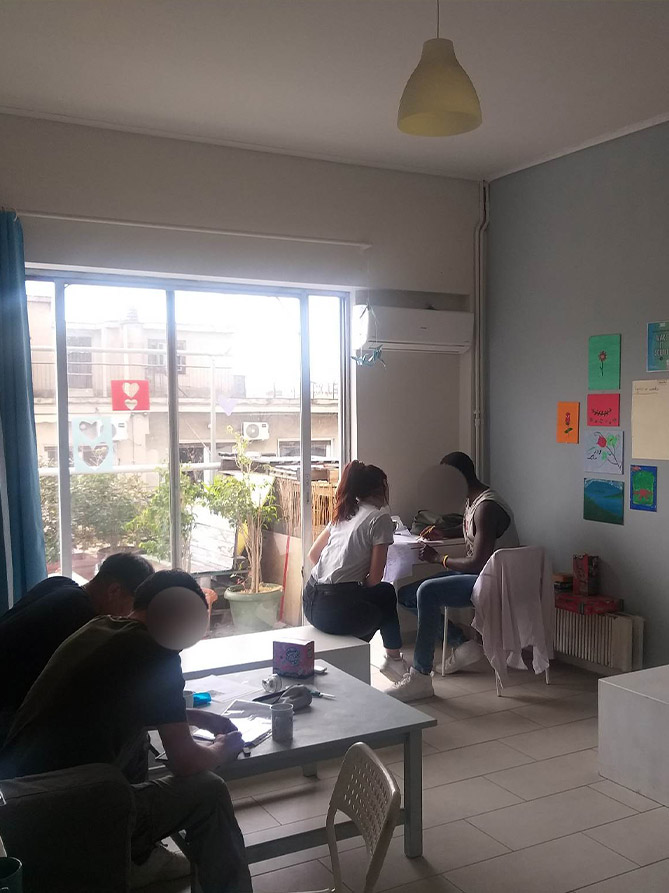
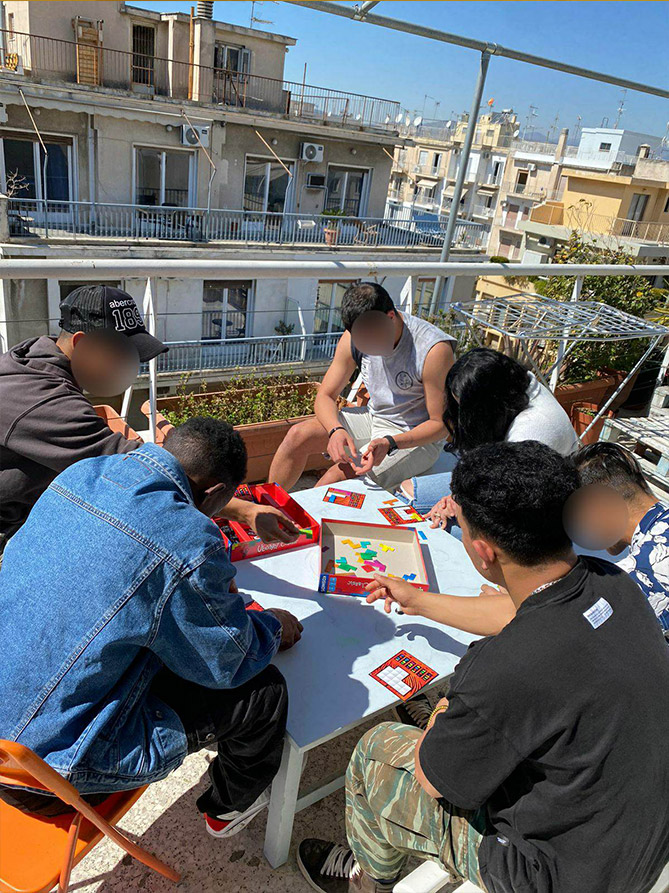
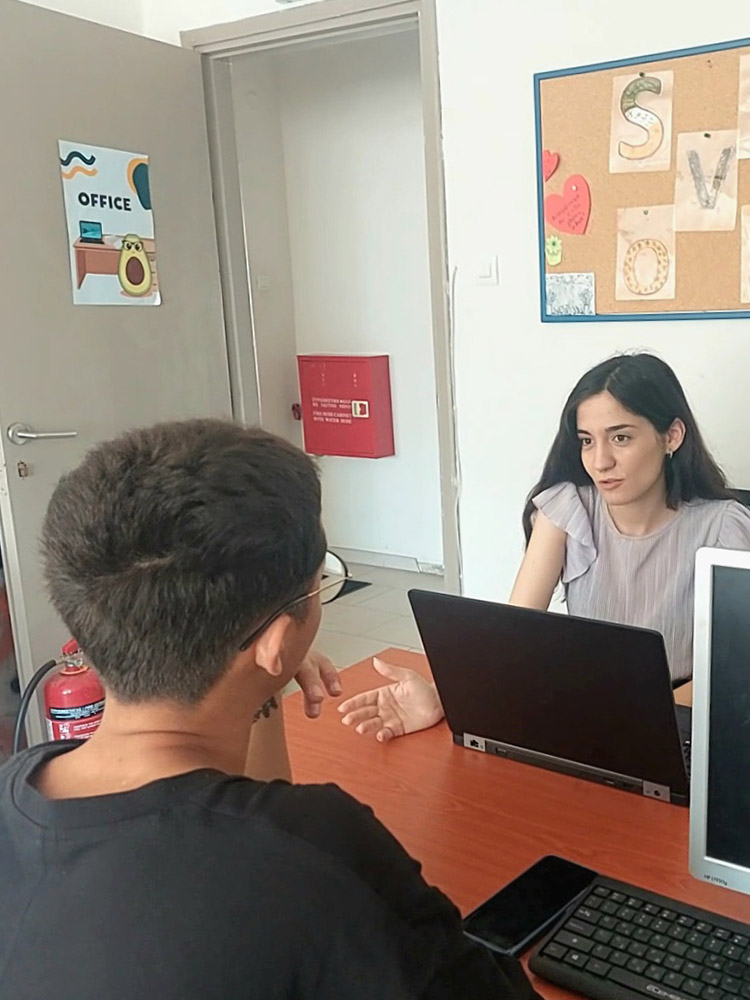
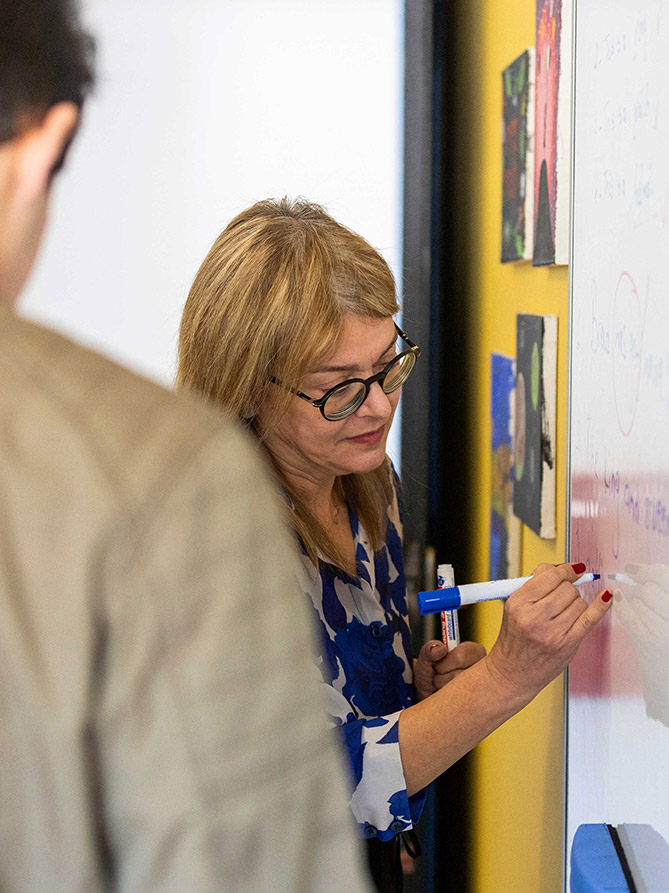
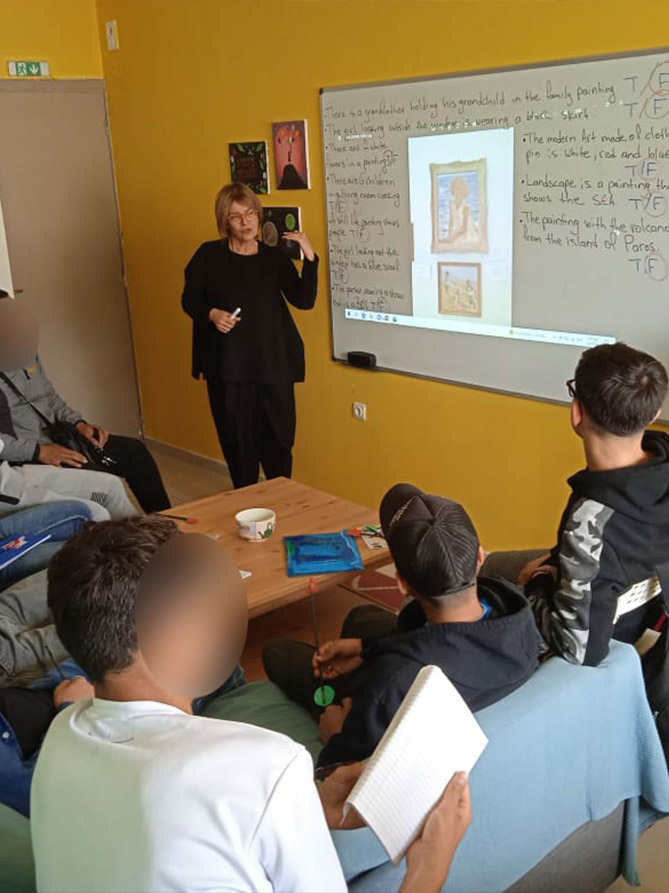
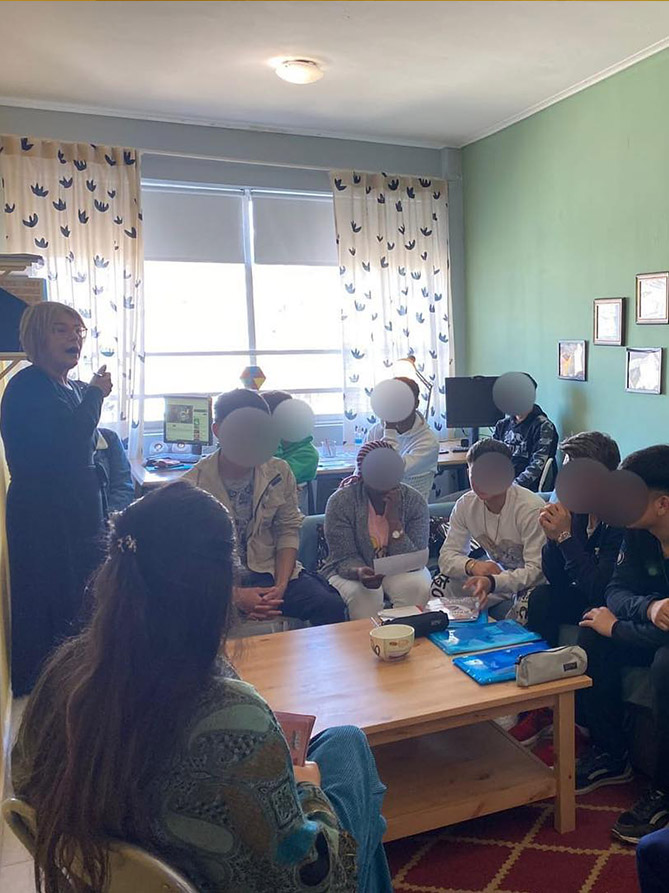
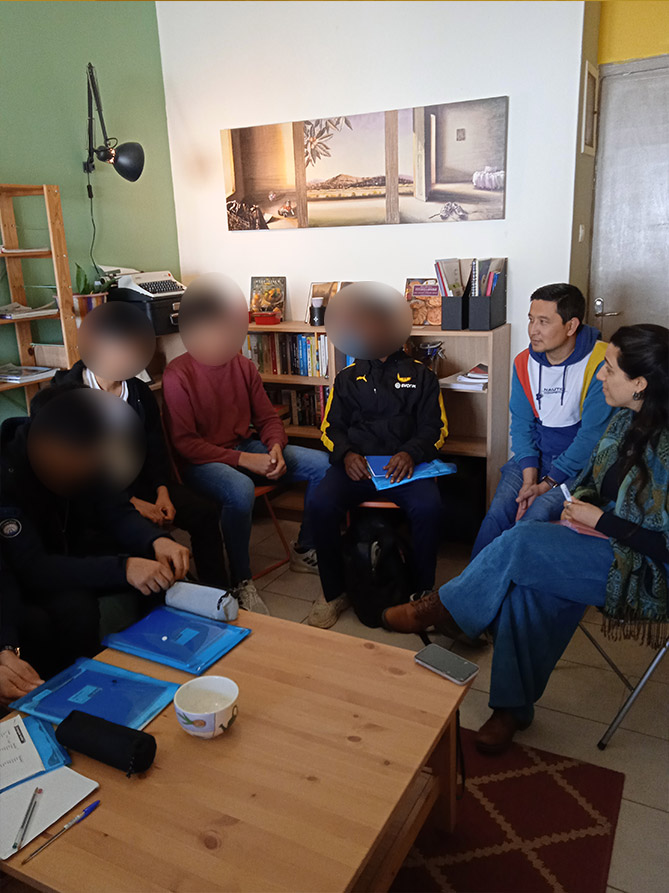
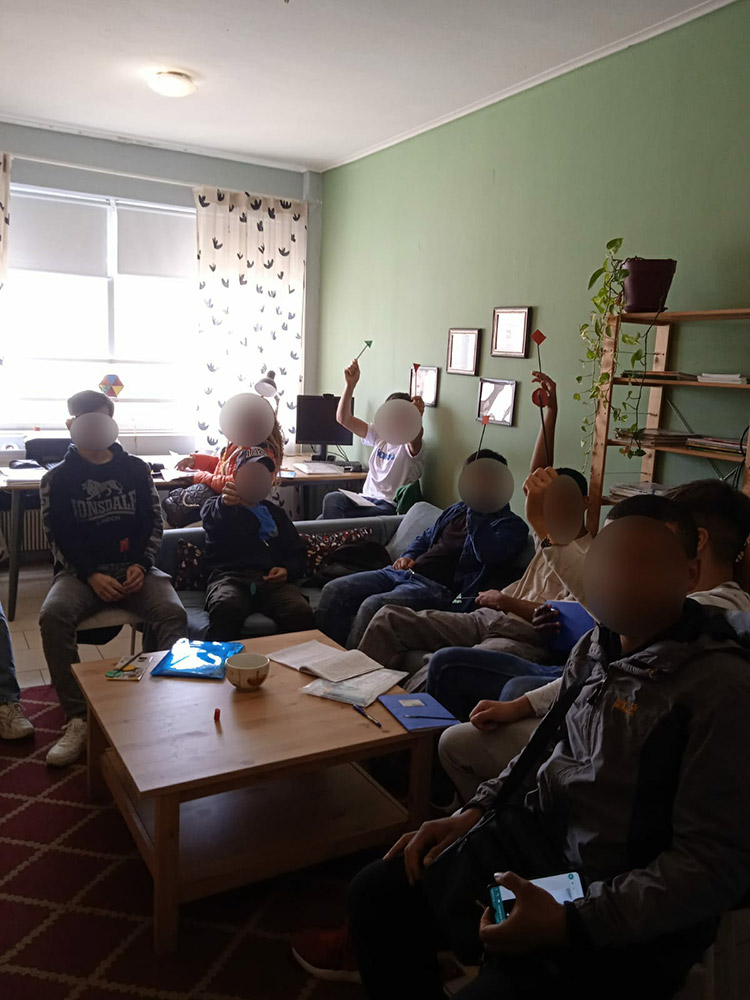
Velos Youth had the privilege of contributing to the ERC-GRABS research project, led by researchers from Université Paris 8. While Velos Youth did not conduct the research itself, we supported the project locally by providing a safe and welcoming space for the activities, as well as connecting the research team with young people from refugee and migrant backgrounds who wished to participate. The research design, methodology, and analysis were carried out entirely by the university team.
About the Research
Since 2015, more than five million people have arrived — or attempted to arrive — in the European Union seeking refuge. Many of them are young people. Although much research has focused on adult refugees and, to some extent, unaccompanied minors, far less attention has been given to young people who are not officially classified as “unaccompanied,” and particularly to how forced migration shapes their journey from childhood to adulthood.
The ERC-GRABS project seeks to better understand what it means to “grow up” while crossing borders under conditions of forced migration. It explores:
- How young people experience vulnerability, discrimination, and violence
- How age intersects with gender, race, and legal status
- The strategies young people develop to resist, adapt, and build resilience
- How they maintain relationships with family and friends
What transition to adulthood looks like in contexts of mobility and uncertainty
The research takes place across several countries in Europe — including France, Greece, and the United Kingdom — and beyond, such as Canada and South Africa, allowing researchers to compare different legal, political, and social contexts.
A Participatory Approach
A key strength of the project is its participatory and feminist intersectional approach. Rather than portraying young refugees simply as “vulnerable,” the research recognizes their agency, voice, and resilience. Age is understood as interacting with other social factors, shaping both risks and opportunities.
Innovative methodologies were used, combining qualitative research with digital tools and creative expression. Young people were not just research participants — they were active contributors, shaping the process and sharing their stories in their own ways.
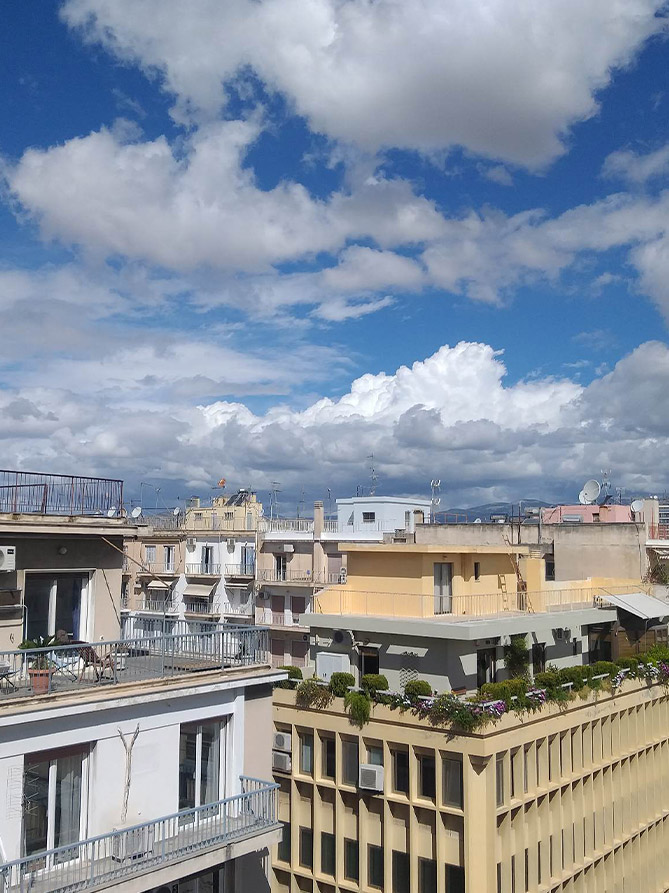
The result of this collaboration is a powerful and beautifully designed booklet featuring photographs taken by the young participants themselves, accompanied by personal reflections and words that express how they experience the world around them.
Through images and storytelling, the booklet captures moments of belonging, displacement, hope, identity, and resilience. It stands as a testament to the creativity and insight of the young people involved — and to the importance of creating spaces where their voices can be heard.
Velos Youth is proud to have supported this meaningful research initiative and to have contributed to a project that centres young people’s perspectives and experiences in conversations about migration, rights, and growing up across borders.